Safe Removal of a Tightly Impacted Metal Vessel from the Face and Head of a Toddler using a Handheld Metal Cutter in the Emergency Department - A Case Report
Abstract
Background: Facial entrapment in rigid metallic objects is rare in toddlers and may pose risks including airway compromise, soft tissue injury, and psychological distress. Removal becomes challenging when non invasive methods fail and specialized tools are unavailable.
Case Report: A 3 year old boy presented with a tightly impacted aluminum alloy vessel over the perioral region. Manual traction and lubrication were unsuccessful. A controlled bedside procedure using a handheld 6 inch mini bolt cutter, combined with soft tissue protection and light procedural analgesia, enabled safe removal without injury. Bilateral otoscopic examination showed no hemotympanum. Non accidental injury was considered and excluded based on consistent history, absence of suspicious injuries, and normal examination.
Conclusion: This case demonstrates a safe, reproducible, low resource technique for managing unusual pediatric facial entrapments when specialized equipment is unavailable. Continuous monitoring, airway vigilance, and soft tissue protection are essential for safe execution.
Keywords
Pediatric foreign body entrapment; Facial entrapment; Metal vessel injury; Procedural sedation in children; Soft‑tissue protection; Improvised extraction technique; Handheld metal cutter; Airway safety; Low‑resource clinical innovation
Introduction
Entrapment of the head or face in rigid metallic household objects is rare in toddlers but can pose risks including airway compromise, soft tissue injury, and psychological distress. Removal can be challenging when the object cannot be manually expanded or lubricated free. Emergency departments may not have specialized ring cutting or orthopedic tools suitable for facial entrapments. Previous reports highlight the importance of structured approaches to pediatric foreign body entrapment and the need for adaptable techniques in emergency settings [1-4]. Techniques for managing rigid metallic entrapments in children have been described, emphasizing careful soft‑tissue protection and controlled cutting methods [2]. Procedural sedation guidelines further support the safe conduct of such interventions in pediatric patients [3]. Additional case literature underscores the importance of shielding tissues during metal‑cutting procedures to prevent thermal or mechanical injury [4].
This is a clinically meaningful case. Pediatric facial entrapment in a rigid metallic object is encountered rarely in practice and is even more rarely documented with the level of procedural detail we have provided with the well-structured manuscript and the audiovisual material in particular - the photographs and video offer a clarity that text alone cannot achieve. The management approach described is practical and reproducible in low-resource emergency settings, and the topic is relevant and fills a genuine gap in the published literature.
Case Presentation
A previously well toddler 3 years old boy was brought to the emergency department after placing a small aluminum alloy vessel over the mouth and nose region during play. The vessel became tightly wedged, and caregivers were unable to remove it at home.
The child was alert, crying, and maintaining airway patency. There was mild erythema of the perioral skin but no bleeding or respiratory distress. Vital signs were stable. Manual traction and lubrication with liquid paraffin were attempted but unsuccessful due to the rigidity and tight seal of the vessel.
InvestigationsNo imaging was required because the object was externally visible, non‑sharp, and there were no signs of deeper injury. Continuous pulse oximetry and cardiorespiratory monitoring were used during the procedure. Bilateral otoscopic examination revealed no hemotympanum, no canal trauma, and normal tympanic membranes.
Differential diagnosisEntrapment of head or face in rigid metallic or plastic objects, entrapment of limb or digit in metallic objects, airway obstruction (clinically excluded) and soft‑tissue swelling causing secondary entrapment. Non-Accidental Injury (NAI) was considered with detailed history exploring family dynamics, general practitioner records, community nursing records and social service history and excluded based on consistent history, absence of bruising or suspicious injuries, and normal examination.
TreatmentA multidisciplinary team (pediatrics, emergency medicine, nursing) prepared for controlled removal. A written informed consent from the child’s parents who were the legal guardians.
Key procedural steps included:
The procedure was completed without burns, lacerations, or airway compromise.
Outcome and follow‑upThe child was observed for several hours. Facial erythema resolved spontaneously. There was no delayed swelling, bruising, or soft‑tissue injury. Caregivers were counselled on home safety and supervision. No further follow‑up was required.
Discussion
This report describes an unusual and challenging case of pediatric facial entrapment involving a rigid metal vessel that could not be removed using standard non‑invasive techniques. The case demonstrates a safe, controlled, low‑resource method using a handheld metal cutter with appropriate soft‑tissue protection and procedural sedation. To our knowledge, published literature describing facial entrapment of this nature and its management in emergency settings is extremely limited. This case therefore adds practical, clinically relevant insights for emergency physicians, pediatricians, and clinicians working in resource‑constrained environments. Pediatric entrapment of metallic objects around the face is uncommon but potentially hazardous. Removal requires balancing urgency with safety, especially when tools that generate heat or mechanical force are used. Prior work on pediatric foreign‑body entrapment management stresses the need for multidisciplinary planning and improvisation when standard equipment is unavailable [1].
Reports of rigid metallic entrapments in children describe similar challenges and highlight the value of simple, readily available tools when used with appropriate precautions [2]. Sedation guidelines support the use of light procedural sedation to minimize movement and maintain safety during interventions of this nature [3].
Literature on metal‑cutting procedures in pediatric emergencies emphasizes the importance of soft‑tissue shielding to prevent burns or lacerations, a principle directly applied in this case [4].
This case contributes to the limited evidence base by demonstrating that a handheld metal cutter-combined with protective barriers, continuous monitoring, and team coordination can be a safe and effective option for facial entrapments in low‑resource settings.
We believe this case will be of interest to your readership because it highlights a safe, reproducible approach to an uncommon but potentially high‑risk pediatric emergency scenario, emphasizing airway safety, multidisciplinary teamwork, and soft‑tissue protection.
Learning pointsConclusion
This case demonstrates that even unusual pediatric facial entrapments can be managed safely in low‑resource emergency settings when a structured, multidisciplinary approach is used. The controlled use of a handheld metal cutter-combined with soft‑tissue protection, continuous monitoring, and appropriate sedation allowed successful removal of a rigid metal vessel without injury. Although specialized ring‑cutting or orthopedic tools are ideal, this case highlights that simple, readily available equipment can be effective when used with careful planning. Increased awareness of such improvised yet safe techniques may help clinicians manage similar presentations confidently while prioritizing airway safety and minimizing soft‑tissue harm.
Patient Consent
Written informed consent for publication of the case details, photographs, and video was obtained from the child’s parents/legal guardians.
References
- Brown K, Patel A. Management of pediatric foreign body entrapment in emergency settings. Emerg Med J. 2019;36:245-9.
- Singh S, Kaur M. Safe removal techniques for rigid metallic entrapments in children. J Paediatr Surg Case Rep. 2021;68:101-4.
- Royal College of Emergency Medicine. Procedural sedation in children: Clinical guidelines. RCEM; 2020.
- Johnson D. Protecting soft tissues during metal-cutting procedures in pediatric emergencies. BMJ Case Rep. 2018;2018:bcr20182234.
Figures
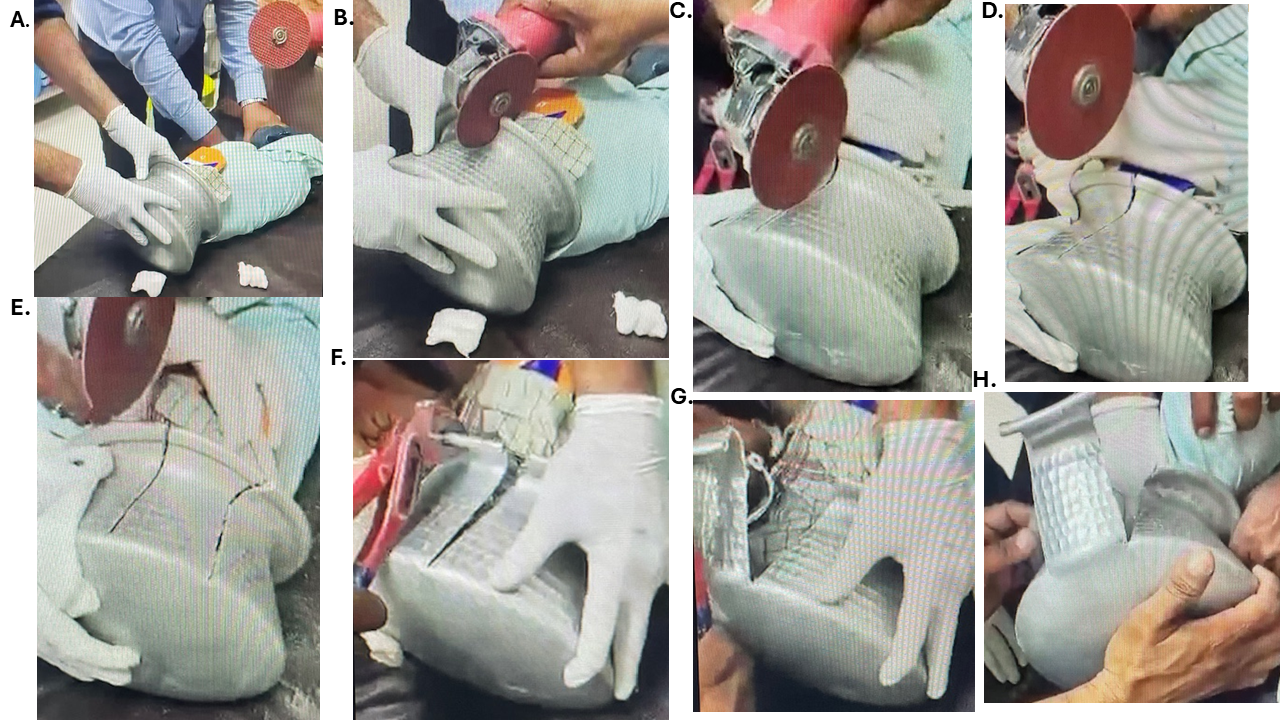
Figure 1: Initial phase of first flap creation and attempted removal.
A) Toddler on arrival with a metal vessel firmly impacted over the perioral region. Mild facial erythema is visible, but the airway remains patent and the child is alert and responsive. Initial attempts at non-invasive removal using lubrication and gentle manual traction. The rigid structure and tight seal of the vessel prevented successful extraction.
B) Preparation for controlled removal: protective gauze and tongue depressors placed between the metal surface and the child’s skin to prevent thermal or mechanical injury during cutting.
C) Application of a handheld metal cutter to the vessel under continuous monitoring. Sedation and secure wrapping minimize movement and ensure procedural safety.
D) First cut complete safely but still unable to separate two sides.
E) Second cut parallel completed.
F) Flap tried to move out.
G) First flap fully raised.
H) Trial at removal failed, further cuts were then planned as shown in Figure.
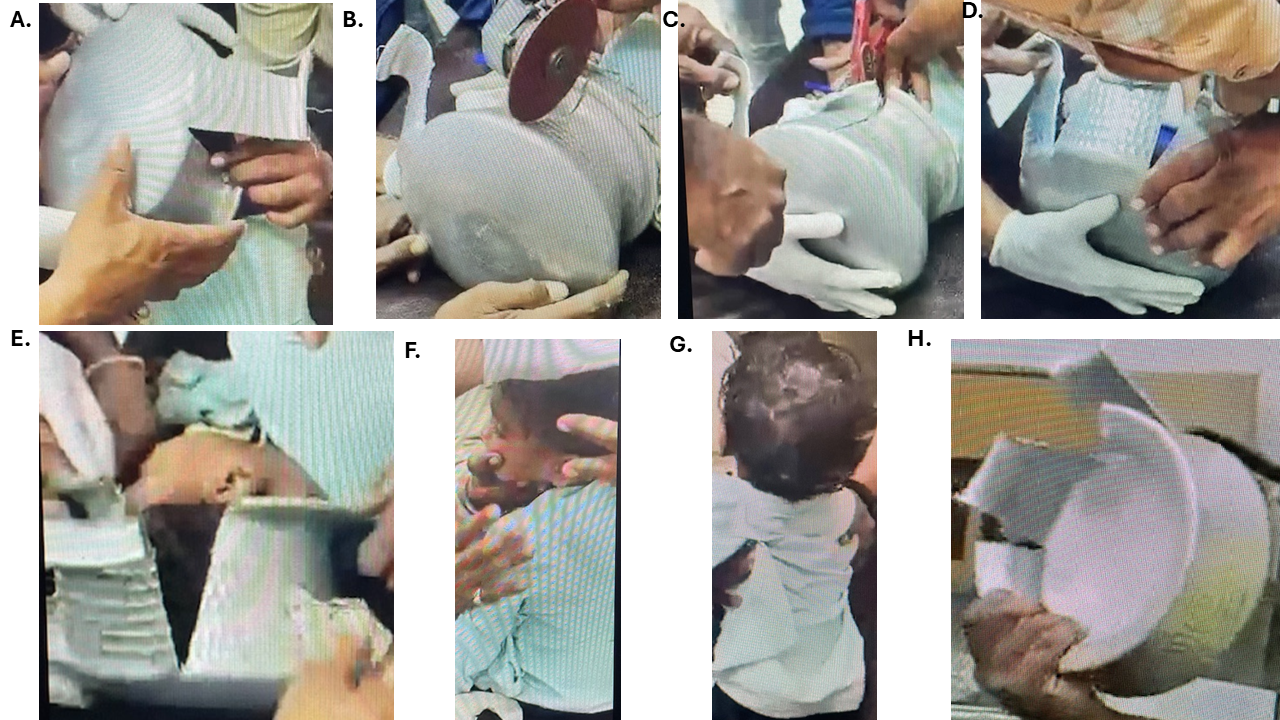
Figure 2: Final phase of two flap raised and the impacted metal vessel safely removed.
A) Removal tried in sitting position but could not get it out.
B) The vessel having completion of two opposing cuts, allowing controlled expansion of the metal without sharp edges contacting the skin.
C) Raising the second flap.
D) Both flaps moved away.
E) Slow removal was possible.
F) Fully removed note successful removal of the vessel with no lacerations or burns. Mild transient erythema is present, with no evidence of soft-tis sue compromise.
G) No injuries all around.
H) The final appearance of the metal vessel after removal.
Video
Video 1: Stepwise demonstration of the safe removal of a tightly impacted metal vessel from the head and face of a toddler. The video shows: Initial assessment; unsuccessful lubrication attempts; placement of protective barriers; controlled use of a handheld metal cutter; gradual expansion of the vessel; and final atraumatic removal. Continuous monitoring, analgesia, and multidisciplinary teamwork ensured airway safety and prevented soft-tissue injury throughout the procedure