From Treatment Delivery to Knowledge Generation: A Decade of RTT-Led Evidence and Research Culture in Radiotherapy: A Narrative Review
Abstract
Introduction: Radiation therapy has evolved substantially in recent years, with Radiation Therapists and Therapeutic radiographers (RTTs) expanding beyond technical roles to become compassionate caregivers, innovators, and research leaders. Advances such as Image-Guided Radiotherapy (IGRT) and Adaptive Radiotherapy (ART), together with growing recognition of patient-centered care, have strengthened RTT involvement in education, psychosocial support, safety, and workflow improvement. Despite these advances, sustaining RTT-led evidence-based practice and research remains difficult, particularly in resource-limited settings. This review explores the scientific and human impact of RTT-led interventions in global radiotherapy practice.
Materials and methods: An integrative narrative review was conducted on 39 original RTT-led studies published between January 2015 and July 2025. Searches were performed in PubMed, Scopus, Web of Science, Embase, and Crossref using terms related to adaptive radiotherapy, image guidance, patient-centered care, efficiency, and professional development. Included studies focused on IGRT/ ART, psychosocial care, patient safety, and research culture development.
Results: RTT-led initiatives demonstrated meaningful impact across multiple domains. Patient-focused interventions improved emotional well-being, treatment understanding, and overall experience, emphasizing the human side of RTT practice. Technically, RTTs showed high precision in image guidance, contouring, and adaptive planning, often matching or exceeding clinician-led outcomes. Safety programs also strengthened incident learning and quality assurance. Key barriers remained limited research time, mentorship opportunities, and academic support.
Conclusion: RTT-led research successfully integrates technical excellence with compassionate care, improving patient outcomes, efficiency, and safety. Strengthening research culture, mentorship, and academic pathways is essential for advancing radiotherapy practice, particularly in developing healthcare systems.
Keywords
Adaptive radiotherapy; Image guidance; Advanced practice; Patient-centered care; Safety culture; Radiation therapist; Therapeutic radiographer; Research culture
Introduction
Contemporary cancer treatment relies heavily on Radiation Therapy (RT), which is needed by approximately half of the people diagnosed with cancer at some point during their treatment. The rapid development of technologies such as Intensity-Modulated Radiotherapy (IMRT), Volumetric Modulated Arc Therapy (VMAT), Image-Guided Radiotherapy (IGRT), stereotactic radiotherapy, adaptive radiotherapy and Artificial Intelligence (AI) assisted workflows has led to greater accuracy and personalization in RT delivery than ever before. In addition, these advances have significantly increased the complexity of both RT delivery and the quality assurance processes associated with it [1,2]. As a result, there has been significant expansion in the roles of Radiation Therapists/Therapeutic radiographers (RTTs), who now provide much more than just RT delivery; they also engage in clinical decision-making, patient advocacy, quality improvement initiatives, education, leadership activities, and research.
The European Society for Radiotherapy and Oncology (ESTRO) has continuously recognized that RTTs must develop advanced skills through evidence-based practices by being engaged in research, which is an integral aspect of their professional development and providing excellent care to their patients [3]. RTTs should develop a level of research literacy, critical appraisal and knowledge translation as a minimum standard of competency to ensure their success in safely delivering these new technologies, innovations, and techniques [4]. The above represents an international shift towards a greater degree of professional autonomy and responsibility amongst the RTT workforce. There is a positive correlation between research participation by allied health professionals and improvement in clinical outcomes, improvement in service quality, and creation of an organizational culture of innovation [5]. Over the last 10 years, RTT-led research in radiotherapy has increased significantly, covering a wide variety of topics including treatment accuracy, image-guided treatment, patient-reported outcomes, optimization of workflow, assessment of toxicity, implementation science, and educational interventions. Furthermore, there are increasing numbers of RTTs who are serving as lead researchers, working collaboratively in multicenter clinical trials, and publishing work in peer-reviewed journals. This illustrates the growing commitment of the profession to producing evidence and undertaking translational research [6]. The development of advanced practice positions has also increased the role of RTTs in research and service innovation. Studies have demonstrated that advanced practice providers positively impact patient access to care, improve clinical pathways, increase patient satisfaction with care, and enhance multidisciplinary team effectiveness while also contributing to scholarly works and disseminating knowledge [7,8].
Advanced practice roles allow RTTs to serve as a link between clinical practice and research, thus facilitating the incorporation of scientific evidence into routine care for patients. On the heels of this growing trend for RTTs to pursue advanced practice roles has been the rising interest from professional organizations for RTTs to develop a sustainable research culture in the RTT profession. Numerous initiatives have attempted to promote research mentorship, create partnerships between academia and clinical settings, provide research training, and develop opportunities for international collaboration to alleviate previous barriers that caused RTTs to not engage in research activities such as limited availability of protected time, insufficient research skills, and lack of institutional support [9]. These developments indicate a move towards greater autonomy and integration within a multidisciplinary team, with RTTs playing a significant part in research design, analysis, and guideline development. Unfortunately, these advances are not universal. Limited research time, a lack of institutional support, and inconsistent career pathways are significant barriers to RTT-led research participation.
To address these challenges, strategic enablers are needed, such as structured advanced practice frameworks, dedicated academic-clinical partnerships, and inclusion of RTTs in research funding streams. This review, therefore, examines a decade of RTT-led research from 2015 to 2025, exploring how these contributions have influenced clinical practice, enhanced patient care, and fostered a sustainable research culture. The national RTT research survey can help build strong data. This review aims to identify the emerging strengths, ongoing gaps, and future directions required to embed research as an integral part of RTT professional practice.
Materials and Methods
Study design and rationaleThis study is a narrative integrative review of original research by RTTs published from January 2015 to July 2025. The rationale for this review is to evaluate the extent to which RTTs’ research has contributed to the development of evidence-based practice, innovation, and a culture of research. For this review, RTT research is defined as studies in which the RTT is the first author, thus including studies that were primarily conducted by RTTs rather than merely contributing to a piece of research. This is consistent with recent international efforts to document the development of therapeutic radiography’s research capacity and to assess its readiness for clinical translation.
Literature sources and search strategyA comprehensive search strategy was employed by searching five major databases, including PubMed, Scopus, Web of Science, Embase, and Crossref, to find eligible peer-reviewed articles authored or co-authored by RTTs over the period under review. The search terms used were a combination of professional terms, including “radiation therapist” and “therapeutic radiographer,” and keywords related to research and innovation, including “adaptive radiotherapy,” “image guidance,” “service evaluation,” “safety,” “patient education,” “workflow redesign,” and “advanced practice.” Hand searching of key articles and journals, including Radiography, Clinical and Translational Radiation Oncology, Technical Innovations & Patient Support in Radiation Oncology (TipsRO), and the Journal of Medical Radiation Sciences, was performed to obtain a comprehensive list of eligible studies. The inclusion and exclusion criteria for selecting studies for this review are outlined in Table 1.
Screening and selection processAll the records identified were independently reviewed and screened by two reviewers for titles and abstracts, and the full text was reviewed for potentially relevant articles. Any discrepancies were resolved through a discussion. Initially, a list of over 200 publications led by RTT was identified. After duplicates were removed and the inclusion criteria applied, 39 studies met the final selection criteria (Figure 1). These publications covered a wide range of clinical and professional disciplines and could be grouped into the following domains:
- Patient education and psychosocial outcomes.
- Image Guidance and Adaptive Radiotherapy (IGRT/ART).
- RTT leadership in IGRT decision-making.
- Adaptive radiotherapy and contouring.
- Advanced practice and workflow redesign.
- Service innovation and survivorship models.
- Quality improvement and safety culture.
- Professional development and research capacity building.
This categorization facilitated the inclusion of both technical and patient-centric research, thereby enabling a balanced evaluation of the impact of RTT contributions on overall radiotherapy practice. Outcome indicators for research culture and clinical impact. Besides the conventional outcome indicators, which included accuracy in contouring, workflow, and toxicity, the review also focused on other indicators of professional growth, which included publications, multidisciplinary research, and service change. These indicators were used to determine the overall impact of RTT research contributions on advancing research culture within the profession (Table 2).
Table 1: Inclusion and exclusion criteria for the study selection.
|
Inclusion Criteria |
Timeframe | Original Research articles published from 2015 to 2025. |
|---|---|---|
| Authorship | RTT must be in a primary authorship position (first, corresponding, or senior author) or clearly identified as the intellectual leader of the research. | |
| Design | Original research (including quantitative, qualitative, mixed-methods, or technical development). Emphasis on RTTs research (mentioned in title/keywords/text or deemed relevant by reviewers), published in peer-reviewed journals (original articles). | |
| Topic relevance | Concentrated on radiotherapy practices, image guidance, adaptive therapy, patient education, toxicity monitoring, workflow enhancement, safety culture, peer review, contouring, or advanced practice roles. | |
|
Exclusion Criteria |
Non-original works (narrative reviews, commentaries, consensus statements unless accompanied by a primary data set). | |
| Studies in which RTTs participated only as data collectors or research assistants without intellectual leadership. | ||
| Duplicate reports of the same data set unless updates added substantive findings. | ||
Table 2: Summary of the Source articles and their domains and outcomes.
| Domains | Outcome | Metrics | Source Article Title |
|
|---|---|---|---|---|
| i | Patient Education and Psychosocial Outcomes | Improved patient understanding of radiotherapy procedures and side effects | Pre- and post-education knowledge scores (validated questionnaires) | [10-16] |
| Reduced anxiety and psychological distress during treatment | Distress Thermometer or similar anxiety/depression scales (before vs. after intervention) | |||
| Increased treatment compliance and satisfaction | Patient-reported experience measures (PREMs) and satisfaction scores | |||
| Enhanced shared decision-making and empowerment | Treatment interruption rates or missed fractions due to fear or misunderstanding | |||
| ii | Image Guidance and Adaptive Radiotherapy (IGRT / ART) | Higher accuracy of target localization and dose delivery | Residual setup error magnitude (3D vector shifts) | [17-24] |
| Reduced setup errors and geographic miss rates | Frequency and magnitude of online/offline corrections | |||
| Improved clinical outcomes (local control, reduced toxicity) | Inter- and intra-observer variability in image matching | |||
| Dosimetric impact assessments (e.g., gamma pass rates, adaptive replan necessity rate) | ||||
| iii | RTT Leadership in Image Guidance and IGRT Decision-Making | Increased autonomy and decision-making authority of RTTs | Proportion of IGRT verification sessions led independently by RTTs | [25-27] |
| Improved workflow efficiency and reduced physician dependency for routine decisions | Decision-to-treatment time (efficiency indicator) | |||
| Enhanced job satisfaction and professional recognition | Audit of decision appropriateness vs. physician review (quality concordance) | |||
| Staff surveys on confidence and leadership perception | ||||
| iv | Adaptive Radiotherapy and Contouring | Accurate and consistent RTT-led contouring and plan adaptation | Contour concordance (e.g., Dice Similarity Coefficient vs. reference standard) | [28-32] |
| Reduced replan delays with on-table adaptive workflows | Replan initiation and completion times (efficiency metrics) | |||
| Maintained or improved clinical target coverage and OAR sparing | Adaptive plan acceptance rate without physician intervention | |||
| Dosimetric comparisons between original and adapted plans (target coverage, OAR doses) | ||||
| v | Advanced Practice and Workflow Redesign | Streamlined clinical pathways with reduced bottlenecks | Time savings per patient (setup-to-beam-on time, planning-to-treatment intervals) | [33-37] |
| Expanded RTT scope of practice with measurable clinical impact | Reduction in redundant steps (workflow mapping audits) | |||
| Improved patient throughput without compromising safety | Advanced practice role uptake rate and competency validation scores | |||
| Patient volume managed per RTT FTE before vs. after redesign | ||||
| vi | Service Innovation and Survivorship Models | Integrated survivorship care led or supported by RTTs | Number/proportion of RTT-led survivorship clinics or reviews | [38-41] |
| Early identification of late side effects and improved referral pathways | Patient-Reported Outcome Measures (PROMs) at follow-up | |||
| Better long-term quality of life for patients | Time from symptom report to clinical intervention | |||
| Survivorship care plan completion rates | ||||
| vii | Quality Improvement and Safety Culture / Incident Learning | Reduced frequency and severity of treatment errors | Incident reporting rates per 1,000 fractions (with analysis of severity index) | [42-47] |
| Stronger reporting culture with proactive learning from near misses | Percentage of incidents with root-cause analysis and action completion | |||
| Continuous cycle of safety-driven process improvements | Safety culture scores from staff surveys (AHRQ or similar tools) | |||
| Reduction in high-severity errors over time | ||||
| viii | Professional Development and Research Capacity Building | Increased number of RTTs engaged in research and evidence-based practice | Number of RTT-led or co-authored research projects/publications per year | [48] |
| Enhanced academic output (presentations, publications, grants) | Research funding secured by RTTs | |||
| Development of structured education/training pathways for research skills | Participation rates in formal academic programs (MSc, PhD, fellowships) | |||
| Conference abstracts presented by RTTs nationally/internationally |
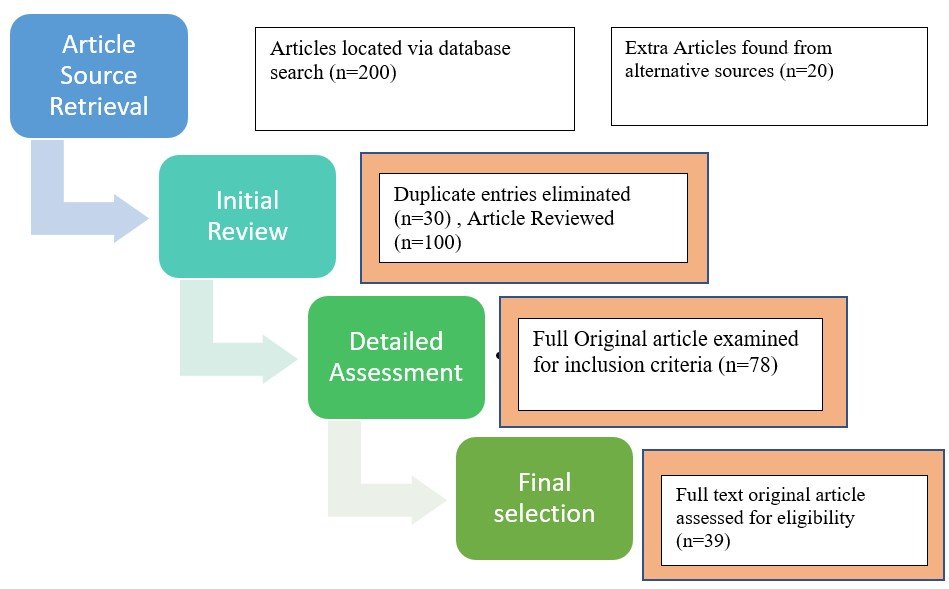
Figure 1: Flow diagram of study selection process showing data base retrieval and final inclusion of eligible articles.
i) Patient education and psychosocial outcomes:Several prospective and cohort studies have established the effectiveness of patient education and psychosocial interventions led by the therapeutic radiographer. The efficacy of patient education and psychosocial interventions led by the RTT was proven by the RT Prepare trial conducted by Halkett et al. [10]. In this study, the education conducted by the RTTs significantly reduced the psychological distress and increased the understanding of the procedures among the women who were undergoing radiotherapy for breast cancer. The VIPER Tele-education pilot study conducted by Magliozzi et al. [11] demonstrated the feasibility of the study and established the effectiveness of virtual patient education delivered by RTTs, significantly reducing patients' anxiety levels before radiotherapy. Najem et al. [12] demonstrated the effectiveness of patient education conducted by RTTs via telephone sessions, which facilitated early detection of toxicity. Oliveira et al. [13], this systematic review found that advanced practice therapeutic radiographers/radiation therapists improve service efficiency, maintain high-quality patient care, enhance multidisciplinary collaboration, and support workforce development, demonstrating the value of expanding RTT roles in modern radiotherapy services. Charlesworth et al. [14] proved the effectiveness of the smoking cessation support conducted by the RTTs, which significantly increased the rate of smoking cessation during the radiotherapy. Duffton et al. [15], the study showed that advanced practice RTTs contribute across clinical practice, leadership, education, and research domains, improving patient pathways, service delivery, professional development, and evidence-based practice within radiotherapy departments. Dhar et al. [16] “Superhero” concept to avoid anesthesia for daily radiation treatment in childhood cancer. This innovation involved the use of decorated immobilization masks and strategies to engage the child and reduce the need for anesthesia in pediatric radiotherapy. This innovation has shown the impact of RTT-led patient education and communication in a positive manner.
Overall, the RTT-led patient education, communication, and psychosocial engagement interventions have shown a positive impact on patient preparation, emotional adjustment, and engagement in radiotherapy across various contexts, including during service disruptions and in pediatric care. These interventions have shown a positive impact on maintaining patient trust, safety, and compliance during service disruptions, such as the COVID-19 pandemic, and have reduced distress and the need for anesthesia in pediatric patients receiving daily radiation therapy. These findings have shown the impact of RTT Led supportive care, which is more than patient satisfaction, and have shown the impact in maintaining the continuity of care, compliance, and safety in the delivery of radiotherapy services, as measured by the level of distress and anxiety, satisfaction, and service utilization outcomes such as the use of anesthesia.
ii) Image Guidance and Adaptive Radiotherapy (IGRT/ ART):Technical studies have shown that RTTs can accurately manage image-guidance and adaptive radiotherapy workflows, similar to their medical counterparts. Willigenburg et al. [17] reported that RTTs independently performed daily online contour adaptations on MR-LINAC systems for prostate cancer treatments, resulting in high accuracy and consistency. Wyatt et al. [18] found that MRI-CBCT soft-tissue matching for prostate radiotherapy demonstrated high accuracy and reliability, supporting precise patient positioning and improved target localization while reducing uncertainties associated with prostate motion during treatment delivery. Rasing et al. [19] found RTTs and radiation oncologists demonstrated high agreement in online adaptive MR-guided contour adaptation for prostate, rectal, and lymph node oligometastatic cancers, supporting the safe delegation of contouring tasks to appropriately trained RTTs. Smith et al. [20] and Goudschaal et al. [21] say RTTs achieved contouring accuracy comparable to clinical oncologists on prostate MRI and successfully led CBCT-guided online adaptive bladder radiotherapy, demonstrating that RTT-led adaptive workflows can maintain treatment quality while improving clinical efficiency.
Roy et al. [22] - Analytical comparison of two daily pre-treatment image verification techniques using Radixact™ Tomotherapy MVCT in head and neck cancer. This technical evaluation compared daily pre-treatment image verification techniques using Tomotherapy. It reported the accuracy of RTTs in image verification, highlighting the benefits of RTT involvement in optimizing image-guidance and radiotherapy workflows [22]. Maurya et al. [23] - Assessing SGRT benefits for pediatric cancer patients: Dosimetric implications of intrafractional motion. This institutional review assessed the benefits of surface-guided radiotherapy for pediatric patients. It reported the benefits of RTTs using SGRT, including improved motion monitoring and dosimetric benefits. It is recommended that RTTs adopt SGRT for pediatric patients. Maurya et al. [23] - Assessing SGRT benefits for pediatric cancer patients: Dosimetric implications of intrafractional motion. Umbarkar et al. [24], rectal volume variation in prostate cancer. This study reported on the interfraction variation of rectal volume and its effect on prostate cancer setup accuracy. It is a recommendation for RTTs to make IGRT decisions for prostate cancer patients.
The impact of RTTs is huge. RTT-Led Image Guided Radiotherapy, or IGRT, and Adaptive Radiotherapy or ART, really improve how accurate the images are when they are registered. This helps reduce the uncertainty caused by movement during and between treatments. It also makes the workflow more efficient for different types of diseases and equipment. There is a lot of evidence that shows RTT can do more than just adapt to changes in the shape of things and match tissue. They can also optimize protocols for image checking, develop every day-use strategy to manage movement, and make informed decisions about IGRT to address changes in organs.
For example, RTT can use MVCT (Tomotherapy) for image verification and implement advanced motion management strategies, such as SGRT, in pediatric radiotherapy. They can also make informed IGRT decisions to manage changes in the volume of prostate cancer. The numbers show that RTT-led adaptive and image-guided workflows are reliable and strong. They can. Improve the precision of the treatment while also making the service more efficient and able to grow.
iii) RTT leadership in IGRT decision-making:Alexander et al. [25], this study demonstrated that with structured training and validation, RTTs can safely and accurately lead IGRT for cervical cancer, achieving treatment verification standards comparable to clinicians while improving workflow efficiency and supporting advanced RTT practice. Kearney et al. [26] review highlighted the critical role of IGRT in head and neck radiotherapy and provided best-practice recommendations, emphasizing RTT competency, standardized protocols, and continuous training to enhance treatment accuracy and patient safety. Roy et al. [27] also conducted a survey-based study in 2025 on what Indian RTTs think about managing movement during prostate cancer radiotherapy. This study showed that RTT can make decisions about IGRT to solve problems in a timely manner and follow protocols for treating prostate cancer.
The overall impact of RTT-led IGRT verification and motion management decision-making is that it reduces the time from treatment planning to treatment delivery. It also improves the setup accuracy, and corrections increase the number of patients that can be treated while maintaining safety standards comparable to when clinicians lead the workflow. This is true for head-and-neck and prostate radiotherapy.
iv) Adaptive radiotherapy and contouring:Williams B et al. [28] found that delegating online contouring in prostate adaptive radiotherapy from radiation oncologists to trained RTTs significantly reduced personnel costs, saved substantial oncologist time, increased patient throughput, and improved service efficiency, supporting sustainable expansion of online adaptive radiotherapy through advanced RTT practice roles [28].
Ballo et al. [29] found that prospective peer review in outpatient radiotherapy detected and corrected treatment planning issues before treatment initiation, improving treatment quality, protocol compliance, and patient safety while fostering a culture of continuous quality assurance in radiation oncology practice. Beckert et al. [30] demonstrated that experienced RTTs can accurately perform CBCT-based adaptive contouring. Duffton et al. [31] emphasized the importance of RTT involvement in adaptive radiotherapy workflows. Buijs et al. [32] developed the “Take Action Protocol,” enabling RTTs to respond effectively to anatomical changes identified on CBCT imaging.
RTT-led engagement in adaptive contouring, peer review, and CBCT-driven replanning, enables timely treatment adaptation, preserves target coverage, improves plan quality, and reduces workflow interruptions across tumor sites, including head and neck.
v) Advanced practice and workflow redesign:Hetherington et al. [33] found that the TRUFU study demonstrated that therapeutic radiographer-led follow-up for prostate cancer patients is a safe, effective, and patient-centered service, achieving high patient satisfaction while enabling timely identification and management of treatment-related side effects and improving clinic efficiency.
Verma et al. [34] state that the Macmillan Cancer Support- funded pilot project demonstrated that radiographer-led telephone follow-up after radical prostate radiotherapy was a safe, effective, and patient-centered service, achieving high patient satisfaction, timely identification of treatment-related toxicities, reduced hospital visits, and improved continuity of care while optimizing clinical resources and supporting the expanding role of radiographers in follow-up practice. Carmichael et al. [35] found that radiation therapists can play a significant role in cancer survivorship care by providing follow-up support, symptom monitoring, patient education, and care coordination, improving continuity of care and patient outcomes, although further training, role clarification, and implementation research are needed.
Botman et al. [36] reported that the successful clinical implementation of MR-guided radiotherapy required substantial role expansion of Radiation Therapists (RTTs), including advanced responsibilities in imaging, adaptive planning, and workflow management, demonstrating that specialized RTT training is essential for safe, efficient, and high-quality MR-guided treatment delivery.
In addition, Roy et al. [37] stated that RTTs involved with Tomotherapy services had greater responsibilities than in the past and required advanced competencies in image guidance, treatment adaptation, quality assurance, and collaborating with other healthcare professions. Taken together, the expanded practice roles of advanced practice RTTs reduce the time required to provide services, eliminate workflow bottlenecks, and improve the patient experience, while also increasing the visibility and respect of RTTs as experts in the design and delivery of technology-intensive radiotherapy services.
vi) Service innovation and survivorship models:Benson et al. [38] found that integrating an MR-Linac into the palliative radiotherapy pathway can streamline treatment delivery, reduce multiple patient visits through same-day imaging and treatment adaptation, and improve overall pathway efficiency while maintaining high-quality patient care.
Lacey et al. [39] found that RTTs could help identify the site of spinal cord compression. Nisbet et al. [40] looked at a clinic where RTTs were in charge. This clinic helped patients with issues after radiotherapy. Lee et al. [41] demonstrated high concordance between Clinical Specialist RTTs (CSRTs) and Radiation Oncologists in radiotherapy treatment reviews, indicating that CSRT-led patient assessments were safe, accurate, and effective, supporting the expanded clinical role of advanced-practice RTTs in routine patient follow-up and toxicity management.
The Impact is that when RTTs are in charge of survivorship and follow-up care, patients receive more continuous care. Patients are also happier with their care. We can measure this with things like satisfaction indices and how well we catch problems. This shows that having RTTs in charge is a thing, and it helps patients.
vii) Quality improvement and safety culture:Pimentel et al. [42] found that frontline clinical huddles improve team communication, coordination, situational awareness, patient safety, and workflow efficiency. Although evidence quality varied across studies, huddles were consistently associated with positive organizational and clinical outcomes, supporting their use as a practical strategy to enhance healthcare team performance and care delivery. Clark et al. [43] demonstrated that a five-year incident learning program in radiation oncology significantly improved patient safety by systematically identifying, analyzing, and addressing treatment-related errors and near misses, fostering a culture of continuous quality improvement and reducing the likelihood of recurring incidents. Daly et al. [44] demonstrated that a radiographer-led decision tool for abdominal image-guided SABR enabled safe, consistent, and efficient treatment delivery, supporting greater radiographer autonomy while reducing reliance on clinician review and improving workflow efficiency within a single institution.
Dhar et al. [45] conducted a study in 2022 to determine whether a specific breast cancer treatment technique is effective. They found that using this technique improves the accuracy of the treatment. This study helps create a culture of safety because RTTs ensure the quality of care is high and that new ideas are used. Roy et al. [46] conducted a study on how RTTs use the CyberKnife machine to treat patients. The study found that sometimes the machine can be interrupted, which can cause problems. The study helps us understand what can go wrong and how we can make the treatment more reliable. Roy et al. [47] conducted a study in 2025 to compare two approaches to setting up patients with brain lesions for CyberKnife treatment.
They found that, female patients whose hair was positioned settled down on the head and shoulder area (Group B) demonstrated significantly lower 6D skull motion during CyberKnife stereotactic radiosurgery and higher positional satisfaction compared with patients whose long hair was divided and placed below the shoulders (Group A). The authors concluded that adopting the Group B hair setup can improve treatment accuracy, reproducibility, patient comfort, and the overall effectiveness of CyberKnife radiosurgery [47].
RTT-Led quality improvement and safety initiatives, spanning safety huddles, incident learning, EPID-based verification, SABR workflow redesign, and real-time fiducial tracking on CyberKnife, have reduced setup errors and near-misses, improved treatment reliability, strengthened situational awareness, and embedded a proactive safety culture in radiotherapy services.
viii) Professional development and research capacity building:Koper et al. [48] concluded that the introduction of Magnetic Resonance-guided Radiotherapy (MRgRT) is significantly expanding the role of radiation therapy technologists, requiring advanced competencies in MRI operation, adaptive treatment workflows, and multidisciplinary decision-making to support safe, efficient, and high-quality patient-centered radiotherapy delivery.
These findings illustrate a profession-wide shift toward research-driven practice. However, participation remains uneven, with stronger representation from institutions with established academic affiliations. Sustained progress requires protected research time, mentorship, and equitable access to academic resources. Future readiness requires continued investment in upskilling, research literacy, and structured professional development frameworks to sustain RTT leadership in the next phase of technological advancement.
Results
This review is based on 39 original RTT-Led studies published between 2015 and 2025. These studies, in aggregate, reveal a progressive and significant advancement in the scope and impact of RTTs' work, highlighting the growing influence and importance on patient outcomes, work processes, and overall safety and research cultures in radiotherapy departments. The next sections present a summary of the findings across 8 thematic domains, including both technical and patient-related aspects of RTT work.
Summary of findings:Across all eight domains, RTT-Led initiatives have demonstrated measurable clinical, operational, and educational benefits. Patient-focused interventions have enhanced psychosocial outcomes; technical innovations have maintained precision while increasing efficiency; and safety programs have strengthened quality assurance. Meanwhile, the steady rise in scholarly output and professional recognition underscores the ongoing cultural transformation of the RTT workforce into an evidence-generating, research-active community.
Discussion
In the past decade, the role of RTTs has shifted from a primarily service-oriented profession to one that is increasingly involved in research, advanced clinical practice, patient-centered care, and service innovation. International evidence indicates that RTT Led activities enhance psychosocial support, technical precision, workflow efficiency, quality improvement, and patient safety, thereby reinforcing the strategic importance of the profession within modern radiotherapy services [6,7,13,31]. The findings of this review, along with Indian survey data, demonstrate that RTTs are highly motivated to participate in research, despite facing significant institutional and structural barriers. RTTs are recognized as key contributors to patient education, preparation, and psychosocial support. The RT Prepare programmed showed that RTT-delivered educational interventions significantly reduced psychological distress and improved preparedness among patients undergoing radiotherapy [10]. Similarly, virtual patient education programs such as VIPER and RTT-Led telephone follow-up initiatives underscore the value of ongoing patient support beyond treatment delivery, enhancing patient engagement and enabling timely clinical intervention when necessary [11,12,33,34]. Additional RTT-Led interventions targeting smoking cessation, survivorship care, sexual health, and supportive care further illustrate the profession’s growing focus on holistic and patient-centered oncology care [14,35,40]. These findings support the routine integration of RTT-Led educational and supportive care programs into radiotherapy practice. The review also identifies quality improvement projects, audits, and patient-centered initiatives as important directions for future RTT research.
Technical autonomy in IGRT and ART constitutes a significant advancement in RTT professional practice. Recent evidence demonstrates that well-trained RTTs can perform contour adaptation, image verification, and online adaptive workflows with accuracy comparable to that of radiation oncologists in specific clinical contexts [17,19-21,25,30,44]. These studies strongly support RTT involvement and leadership in adaptive radiotherapy workflows, particularly in MR-guided radiotherapy, provided that robust governance structures, competency frameworks, and training programs are in place. Further research indicates that RTT autonomy enhances workflow efficiency, reduces treatment delays, and increases departmental throughput without compromising treatment quality or patient safety [21,25,28,30]. However, the Indian RTT survey identified significant barriers to research and innovation, including limited mentorship, inadequate statistical support, insufficient protected research time, and restricted access to academic resources. Addressing these challenges will require strategic investment in workforce development to ensure equitable access to emerging technologies such as MR-guided adaptive radiotherapy and artificial intelligence-assisted contouring.
RTT leadership in workflow redesign, quality improvement, and service innovation has produced measurable benefits across radiotherapy services. Evidence indicates that RTT-led optimization of adaptive radiotherapy workflows improves efficiency, reduces setup times, and increases patient throughput while maintaining treatment quality [21,25,28,30,36,38]. Additionally, peer-review systems, incident learning programs, and safety huddles are linked to enhanced communication, improved safety culture, and reductions in near-miss events within radiotherapy departments [29,42,43]. These outcomes underscore the importance of integrating RTTs into clinical governance and leadership roles. The expansion of advanced practice roles is well documented in international surveys, systematic reviews, and scoping reviews, all of which demonstrate growing professional recognition and acceptance of RTT advanced practice globally [6,7,13,15]. Despite these advancements, the Indian survey revealed a significant gap between research interest and scholarly output, with many respondents reporting limited publication activity and restricted participation in professional conferences. Bridging this gap will require stronger academic clinical partnerships, structured mentorship, dedicated research time, and the integration of research competencies into career development pathways.
In summary, the evidence presented in this review illustrates a profession that is increasingly adopting research-embedded practice. RTTs are making significant contributions to adaptive radiotherapy, patient-centered interventions, survivorship care, workflow redesign, and service improvement initiatives, all of which positively influence patient outcomes and radiotherapy service delivery [6,7,13,17,19,21,31,35]. The sustainability of these advancements depends on addressing ongoing barriers related to workload, mentorship, research infrastructure, and academic support. To fully realize the potential of RTT led research and innovation, healthcare organizations and professional bodies should invest in research training, statistical education, mentorship frameworks, protected research time, and equitable access to academic resources. These investments are crucial for maintaining safe, efficient, evidence-based, and patient-centered radiotherapy services, and for supporting the continued professional development of RTTs both globally and in the Indian context.
In summary, the evidence presented in this review illustrates a profession that is increasingly adopting research-embedded practice. RTTs are making significant contributions to adaptive radiotherapy, patient-centered interventions, survivorship care, workflow redesign, and service improvement initiatives, all of which positively influence patient outcomes and radiotherapy service delivery [6,7,13,17,19,21,31,35]. The sustainability of these advancements depends on addressing ongoing barriers related to workload, mentorship, research infrastructure, and academic support. To fully realize the potential of RTT led research and innovation, healthcare organizations and professional bodies should invest in research training, statistical education, mentorship frameworks, protected research time, and equitable access to academic resources. These investments are crucial for maintaining safe, efficient, evidence-based, and patient-centered radiotherapy services, and for supporting the continued professional development of RTTs both globally and in the Indian context.Conclusion
The review suggests that research conducted by RTTs over the last decade has improved the patient experience, accuracy, efficiency, and safety, underscoring the significance of RTTs' role in the innovation process in the era of radiotherapy driven clinical innovation. The evidence base for Image-Guided Radiotherapy/Adaptive Radiotherapy (IGRT/ART), patient centered interventions, and service redesign indicates that RTTs could take on more complex clinical and research leadership roles, provided they receive appropriate formal governance and training.
Ethics Statement
The review is based on the published literature; no data collection was conducted. Therefore, no ethical approval was necessary. The review has been conducted in accordance with the standards of research ethics, honesty, and correct referencing, as is the case in the narrative review methodology.
Limitations of the Review
The review has several notable limitations. The studies included in the review have been diverse, and their reporting has been inconsistent, preventing the authors from synthesizing the data. The studies included in the review have focused on feasibility and technical aspects, rather than on long-term patient benefits such as survival and reduced toxicity. In addition, publication bias may be a limitation, and the findings may have been biased towards positive findings. However, the findings have been consistent, and the settings have been diverse, indicating that the RTTs could assume more complex clinical and research leadership roles and propel innovation and patient care, thereby improving patient health outcomes and patient experience.
Acknowledgment
The authors would like to thank the numerous RTT researchers whose original work has informed the review and continues to build the evidence base for the profession.
Funding
This review article did not receive any specific grant from funding agencies in the public, commercial, or not-for-profit sectors.
Declaration of Generative AI in Scientific Writing
The research was carried out without any involvement of AI technology in designing, collecting, analyzing, and interpreting data in this research paper. All processes of this research were carried out in a traditional scientific manner.
Data Statement
The data that support the findings of this research are available from the corresponding author upon request.
Conflicts of Interest
The authors declare no conflicts of interest.
References
- Delaney G, Jacob S, Featherstone C, Barton M. The role of radiotherapy in cancer treatment: estimating optimal utilization from a review of evidence-based clinical guidelines. Cancer. 2005;104(6):1129-37. PubMed ↗
- Borras JM, Lievens Y, Barton M, Corral J, Ferlay J, Bray F, et al. How many new cancer patients in Europe will require radiotherapy by 2025? An ESTRO-HERO analysis. Radiother Oncol. 2016;119(1):5-11. PubMed ↗
- Coffey MA, Mullaney L, Boejen A, Vaandering A, Vandevelde G. Recommended ESTRO Core Curriculum for Radiation Therapists (RTTs), 3rd Edition. European Society for Radiotherapy and Oncology (ESTRO); 2019. SROBF ↗
- Coffey M, Leech M; ESTRO, the RTT committee. Introduction to the ESTRO European Qualifications Framework (EQF) 7 and 8: Benchmarking Radiation Therapist (RTT) advanced education. Tech Innov Patient Support Radiat Oncol. 2018;8:19-21. PubMed ↗
- Boaz A, Hanney S, Jones T, Soper B. Does the engagement of clinicians and organizations in research improve healthcare performance: A three-stage review. BMJ Open. 2015;5(12):e009415. PubMed ↗
- Dimopoulos M, Harnett N, Skubish S, Gillan C, Tsang Y. Developing an evidence-based model for advanced practice radiation therapist preparation: A global perspective. Radiography. 2025;31:103040. RadiographyOnline ↗
- Carlier S, Mendes LF, Lago LP, Ding S. The extended and advanced clinical practices of radiographers worldwide: A scoping review. J Med Imaging Radiat Sci. 2025;56(2):101818. JMIRS ↗
- Price RC, Le Masurier SB. Longitudinal changes in extended roles in radiography: A new perspective. Radiography (Lond). 2007;13(1):18-29. PubMed ↗
- Balushi HA, Watts H, Akudjedu TN. Research and evidence-based practice in clinical radiography: A systematic review of barriers and recommendations for a new direction. Radiography. 2024;30(2):538-59. RadiographyOnline ↗
- Halkett G, O'Connor M, Jefford M, Aranda S, Merchant S, Spry N, et al. RT Prepare: A radiation therapist-delivered intervention reduces psychological distress in women with breast cancer referred for radiotherapy. Br J Cancer. 2018;118(12):1549-58. PubMed ↗
- Magliozzi M, Cashell A, Ishmail N, Hill C, Velec M. Virtual Integration of Patient Education in Radiotherapy (VIPER). Tech Innov Patient Support Radiat Oncol. 2022;23:47-57. PubMed ↗
- Najem F, Prosser S, Harris J, Beldham-Collins R, Cross S, West K. Radiation therapist-led telephone follow-up: Identifying patients who require post-treatment care. J Med Radiat Sci. 2021;68(4):389-95. Wiley ↗
- Oliveira C, Barbosa B, Couto JG, Bravo I, Khine R, McNair H. Advanced practice roles of therapeutic radiographers/radiation therapists: A systematic literature review. Radiography (Lond). 2022;28(3):605-19. PubMed ↗
- Charlesworth L, Hutton D, Hussain H, Wong H. Therapeutic radiographers supporting individuals undergoing radiotherapy to stop smoking: Testing a training resource in clinical practice. Radiography. 2021;27:S50-7. RadiographyOnline ↗
- Duffton A, Moore K, Williamson A. Diversity in Radiation Therapist/Therapeutic radiographer (RTT) Advanced Practice (AP) roles delivering on the four domains. Tech Innov Patient Support Radiat Oncol. 2021;17:102-7. PubMed ↗
- Dhar D, Vadgaonkar R, Miriyala R, Kalita H, Parab P, Mahantshetty U. "Superhero" concept to avoid anesthesia for daily radiation treatment in childhood cancer. J Cancer Res Ther. 2023;19(3):813-5. PubMed ↗
- Willigenburg T, de Muinck Keizer DM, Peters M, Claes A, Lagendijk JJW, de Boer HCJ, et al. Evaluation of daily online contour adaptation by radiation therapists for prostate cancer treatment on an MRI-guided linear accelerator. Clin Transl Radiat Oncol. 2021;27:50-6. PubMed ↗
- Wyatt JJ, Brooks RL, Ainslie D, Wilkins E, Raven E, Pilling K, et al. The accuracy of magnetic resonance-cone beam computed tomography soft-tissue matching for prostate radiotherapy. Phys Imaging Radiat Oncol. 2019;12:49-55. PubMed ↗
- Rasing MJA, Sikkes GG, Vissers NGPM, Kotte ANTJ, Boudewijn JH, Doornaert PAH, et al. Online adaptive MR-guided radiotherapy: Conformity of contour adaptation for prostate cancer, rectal cancer and lymph node oligometastases among radiation therapists and radiation oncologists. Tech Innov Patient Support Radiat Oncol. 2022;23:33-40. TIPSRO ↗
- Smith GA, Dunlop A, Alexander SE, Barnes H, Casey F, Chick J, et al. Interobserver variation of clinical oncologists compared to therapeutic radiographers (RTT) prostate contours on T2-weighted MRI. Tech Innov Patient Support Radiat Oncol. 2022;25:100200. TIPSRO ↗
- Goudschaal K, Azzarouali S, Visser J, Admiraal M, Wiersma J, van Wieringen N, et al. Clinical implementation of RTT-only CBCT-guided online adaptive focal radiotherapy for bladder cancer. Clin Transl Radiat Oncol. 2024;50:100884. CTRO ↗
- Roy S, Singh R, Paikarathodi A, Maurya S, Luharia A, Dube P. An analytical comparison of two daily pre-treatment image verification approaches utilizing Radixact™ Tomotherapy-Based Megavoltage computed tomography for head and neck cancer patients. J Cancer Treat Res. 2025;13(4):153-63. SciencePG ↗
- Maurya S, Kakade A, Dandekar P, Gupte A, Jadhav A, Rasal S, et al. Assessing surface guided radiation therapy benefits for pediatric cancer patients: Dosimetric implications of intrafractional motion - An institutional review. J Cancer Treat Res. 2024;12(3):56-61. SciencePG ↗
- Umbarkar P, Kannan V, Anand VJ, Deshpande S, Hinduja R, Babu V, et al. A comparative study of rectal volume variation in patients with prostate cancer: A tertiary care center study. Radiography. 2023;29(5):845-50. RadiographyOnlinenline ↗
- Alexander SE, Hopkins N, Lalondrelle S, Taylor A, Titmarsh K, McNair HA. RTT-led IGRT for cervix cancer; training, implementation and validation. Tech Innov Patient Support Radiat Oncol. 2019;12:41-9. PubMed ↗
- Kearney M, Coffey M, Leong A. A review of image guided radiation therapy in head and neck cancer from 2009-2019 - best practice recommendations for RTTs in the clinic. Tech Innov Patient Support Radiat Oncol. 2020;14:43-50. PubMed ↗
- Roy S, Talapatra K, Gupte A, Mukherjee U, Parab A. Radiation therapists perspectives on motion management in definitive prostate cancer radiotherapy: Insights from Indian clinical practice. J Cancer Treat Res. 2025;13(3):72-82. PubMed ↗
- Williams B, Xue EOC, Tree A, McNair H, Giorgakoudi K. Practice development perspective of RTT contouring in online adaptive radiotherapy for prostate cancer: A single-center cost-consequence analysis. Tech Innov Patient Support Radiat Oncol. 2026;38:100391. TIPSRO ↗
- Ballo MT, Chronowski GM, Schlembach PJ, Bloom ES, Arzu IY, Kuban DA. Prospective peer review quality assurance for outpatient radiation therapy. Pract Radiat Oncol. 2014;4(5):279-84. PubMed ↗
- Beckert R, Schiff JP, Morris E, Samson P, Kim H, Laugeman E. The impact of an advanced practice radiation therapist contouring for a CBCT-based adaptive radiotherapy program. Tech Innov Patient Support Radiat Oncol. 2024;30:100242. TIPSRO ↗
- Duffton A, Li W, Forde E. The pivotal role of the therapeutic radiographer/radiation therapist in image-guided radiotherapy research and development. Clin Oncol (R Coll Radiol). 2020;32(12):852-60. PubMed ↗
- Buijs M, Pos F, Frantzen-Steneker M, Rossi M, Remeijer P, Koetsveld F. Take action protocol: A radiation therapist led approach to act on anatomical changes seen on CBCT. Tech Innov Patient Support Radiat Oncol. 2021;17:71-7. PubMed ↗
- Hetherington SM, Gilleece T, Shepherd P, Crowther K, O'Sullivan J, Jain S, et al. TRUFU: Therapeutic radiographer undertaking follow-up for prostate cancer patients. Radiography (Lond). 2018;24(4):298-303. PubMed ↗
- Verma R, Treasure P, Hughes R. Development and evaluation of radiographer led telephone follow up following radical radiotherapy to the prostate. A report of a Macmillan Cancer Support Sponsored Pilot project at Mount Vernon Hospital. Radiography. 2015;21(1):16-24. RadiographyOnline ↗
- Carmichael MA, Paterson C, Agbejule A, Robins S, Chan RJ, Hart NH, et al. Role of the radiation therapist in cancer survivorship care: An integrative systematic review. Radiother Oncol. 2026;217:111413. TheGreenJournal ↗
- Botman R, Tetar SU, Palacios MA, Slotman BJ, Lagerwaard FJ, Bruynzeel AME. The clinical introduction of MR-guided radiation therapy from a RTT perspective. Clin Transl Radiat Oncol. 2019;18:140-5. PubMed ↗
- Roy S, Pt A, Pal DU, Shrivastava SK. Workflow changes & responsibilities concerning user application of Tomotherapy over linear accelerator, a radiation therapist standpoint. Glob J Res Anal. 2023:57-9. WorldwideJournals ↗
- Benson R, Clough A, Nelder C, Pitt E, Portner R, Vassiliou M, et al. Evaluation of the palliative radiotherapy pathway in a single institute: Can an MR Linac improve efficiency? J Med Imaging Radiat Sci. 2022;53(2 Suppl):S44-50. PubMed ↗
- Lacey C, Ockwell C, Locke I, Thomas K, Hendry J, McNair H. A prospective study comparing radiographer- and clinician-based localization for patients with Metastatic Spinal Cord Compression (MSCC) to assess the feasibility of a radiographer-led service. Br J Radiol. 2015;88(1055):20150586. PubMed ↗
- Nisbet H, Caulfield L, Holloway E. An evaluation of a therapeutic radiographer led "sexual care after radiotherapy" clinic. Radiography. 2021;27(3):897-902. RadiographyOnline ↗
- Lee G, Harnett N, Zychla L, Dinniwell RE. Radiotherapy treatment review: A prospective evaluation of concordance between clinical specialist radiation therapist and radiation oncologist in patient assessments. J Med Imaging Radiat Sci. 2012;43(1):6-10. JMIRS ↗
- Pimentel CB, Snow AL, Carnes SL, Shah NR, Loup JR, Vallejo-Luces TM, et al. Huddles and their effectiveness at the frontlines of clinical care: A scoping review. J Gen Intern Med. 2021;36(9):2772-83. PubMed ↗
- Clark BG, Brown RJ, Ploquin J, Dunscombe P. Patient safety improvements in radiation treatment through 5 years of incident learning. Pract Radiat Oncol. 2013;3(3):157-63. PubMed ↗
- Daly M, Moinuddin SA, Petkar S, Jani Z, McGeady K, Hawkins M. A decision tool for radiographer-led abdominal image-guided stereotactic ablative body radiotherapy - Experience from a single institution. Tech Innov Patient Support Radiat Oncol. 2021;19:33-6. TIPSRO ↗
- Dhar D, Mallik S, Goswami J. Validation of a simple technique for accurate treatment delivery for bilateral breast irradiation using the electronic portal imaging device. J Cancer Res Ther. 2022;18(4):1159-61. PubMed ↗
- Roy S, Afnan PT, Pal DU, Rai S, Shrivastava SK, Sridhar PS, et al. Interruptions and uncertainties associated in real-time fiducial tracking treatment delivery of carcinoma prostate using CyberKnife radiosurgery - A monoinstitutional radiation therapists study. J Cancer Res Ther. 2025;21(3):583-92. PubMed ↗
- Roy S, Suryavanshi K, Sridhar PS, Visariya B, Shrivastava S. A comparative study of 6D skull motion assessment and positional satisfaction between two classical hair setup variations of female patients with brain lesions treated using CyberKnife stereotactic radiosurgery. Radiography (Lond). 2025;31(5):103012. PubMed ↗
- Koper EJ, Kamer MJ, De Jonge DR, Boer DD. Changing role of radiation therapy technologists in magnetic resonance-guided radiotherapy. In: Advances in Magnetic Resonance Technology and Applications. 2022. p. 193-210. ScienceDirect ↗